
Trolleybuses in Emerging Cities: Lessons from Mexico City for Transport Decarbonisation
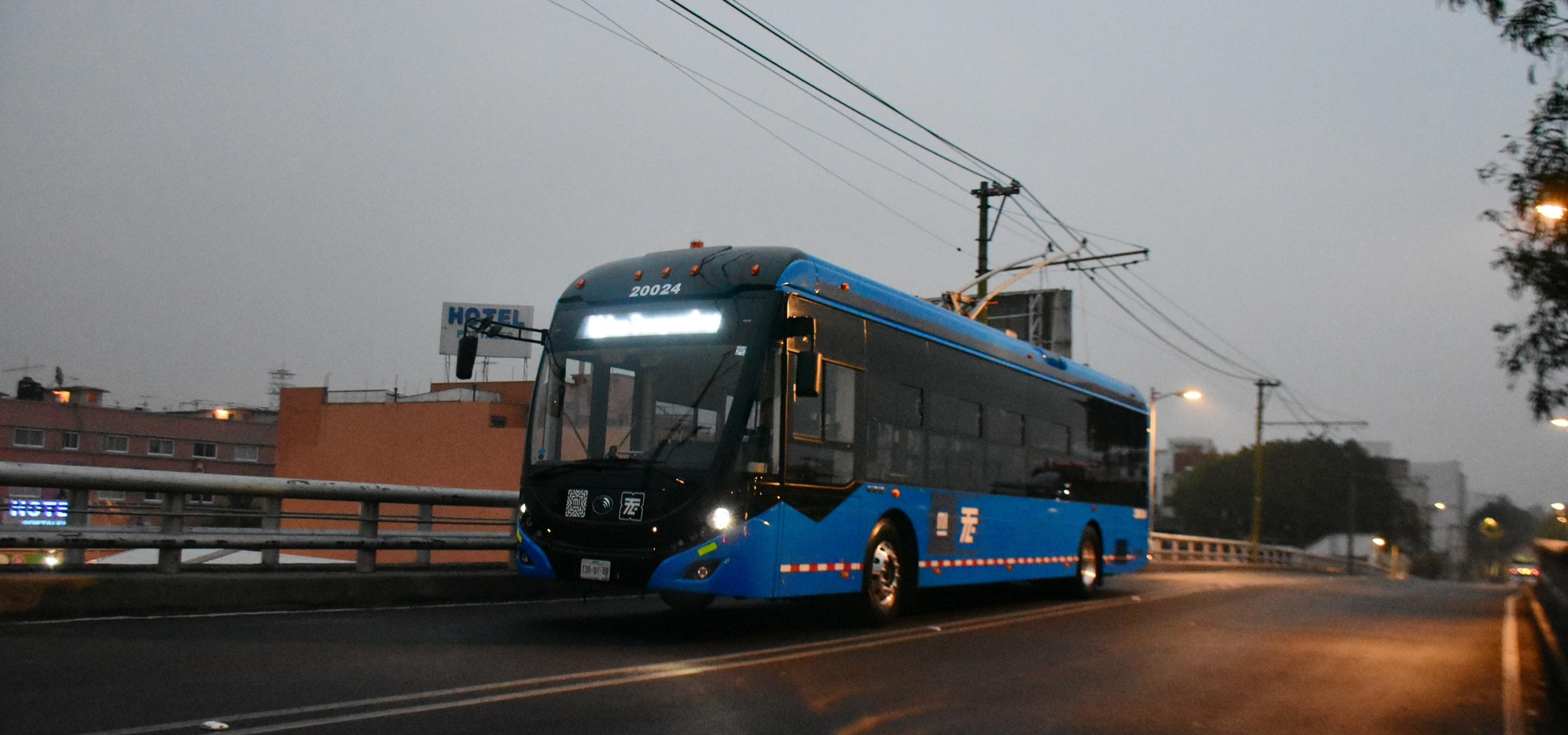
For many emerging cities, decarbonising public transport is not only a climate objective — it is a question of financial sustainability, operational reliability, and institutional capacity. Electrification strategies must work under real-world constraints: limited budgets, rapidly growing demand, and the need to improve service quality while reducing emissions.
In this context, the modern trolleybus is gaining renewed attention as a practical solution for urban transport electrification. Thanks to recent technological advances, trolleybuses are no longer rigid systems dependent on continuous overhead wiring. Today’s vehicles combine catenary power with onboard batteries, allowing flexible operation, lower lifecycle costs, and high efficiency on heavily used routes.
Recent experience in Mexico City shows how trolleybuses can become a key tool for decarbonisation in middle-income cities, particularly where high-capacity bus corridors are needed but rail systems are financially difficult to implement.
The modern trolleybus: electric, flexible, and efficient
Modern trolleybuses operate primarily from overhead electric lines, typically at around 600–750 V DC, but are increasingly equipped with In-Motion Charging (IMC) technology. This allows vehicles to charge while running under the wire and continue operating off-wire for several kilometres using onboard batteries.
This hybrid configuration provides several advantages:
High energy efficiency compared to diesel or battery buses
Smaller batteries and lower replacement costs
Stable performance on intensive routes
Reduced need for continuous overhead infrastructure
Flexibility to extend routes or bypass obstacles
Vehicles are available in multiple sizes, including articulated and high-capacity configurations, making trolleybuses suitable not only for conventional routes but also for BRT-type corridors.
-
Technology model: Fixed infrastructure with continuous power supply
Operational flexibility: Low
Initial investment: High in infrastructure
Lifecycle cost: Low and stable (25 years)
Operational risk: Low (mature technology)
Key message: Ideal for high-demand corridors
-
Technology model: Overhead infrastructure with continuous power, plus battery charging
Operational flexibility: Medium–High
Initial investment: Medium–High
Lifecycle cost:Low–medium (20 years)
Operational risk: Low–medium
Key message: Optimal balance for emerging cities
-
Technology model: 100% battery
Operational flexibility: High
Initial investment: High in fleet
Lifecycle cost:Higher due to batteries (15 years)
Operational risk: Medium–high (battery, grid, replacements)
Key message: Useful for rapid deployment
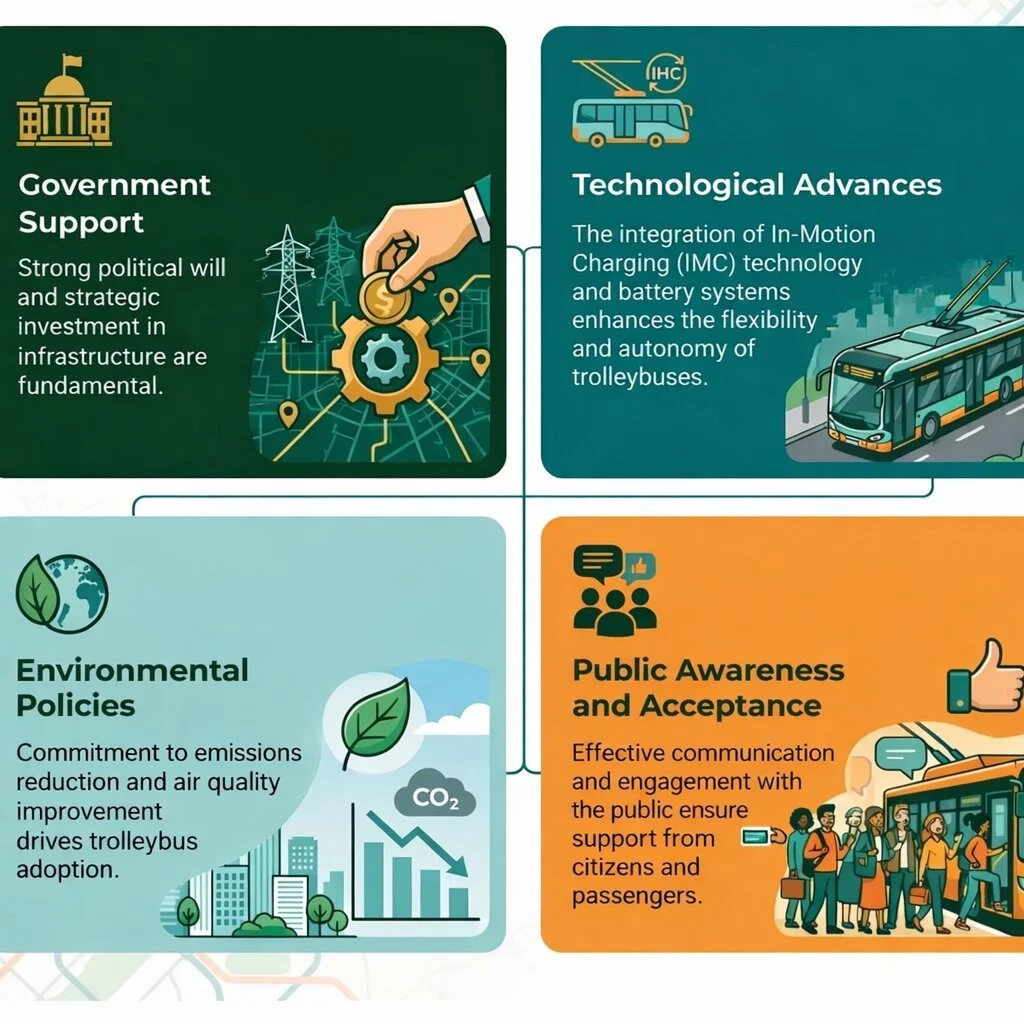
Lessons from international experience: success depends on governance, not technology
Comparative studies of trolleybus systems worldwide show a consistent pattern: systems rarely fail because of the technology itself. Most failures are linked to institutional and financial issues.
Successful systems tend to share several characteristics:
Long-term political commitment
Stable funding for fleet renewal
Integration with wider transport networks
Financial planning covering the full lifecycle
Clear operational responsibility
Where these conditions are present, trolleybuses have proven to be one of the most durable forms of electric public transport, operating continuously for decades in many cities.
These lessons are particularly relevant for emerging economies, where electrification must be both environmentally and financially sustainable.
Mexico City: modernising an electric bus network at scale
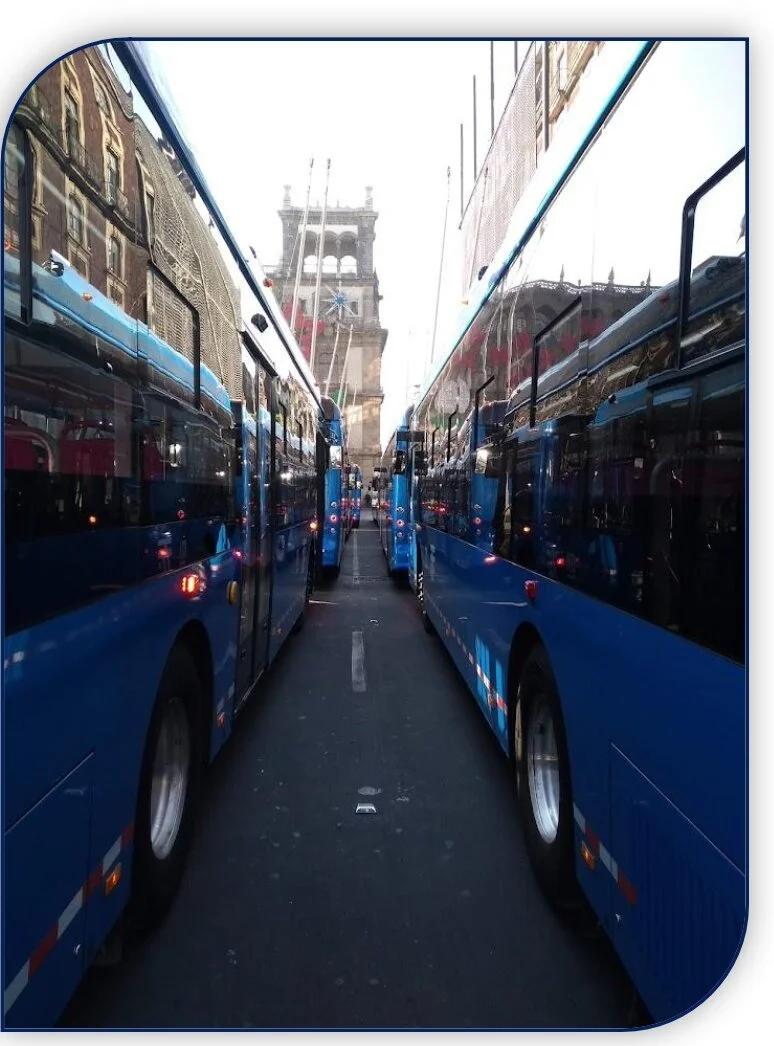
Mexico City offers one of the most significant recent examples of trolleybus modernisation in a large middle-income metropolis. Instead of abandoning its electric bus system, the city chose to upgrade and expand it as part of a broader strategy to improve public transport and reduce emissions.
Since 2019, the city has introduced hundreds of new trolleybuses, expanded the network, and significantly improved service quality. Modern vehicles include low-floor access, onboard security systems, smartcard fare integration, and off-wire autonomy that allows flexible operation without continuous wiring.
The renewed network has reduced waiting times, increased reliability, and attracted large numbers of new users, showing that electric bus systems can compete with diesel fleets when properly planned and operated.
Mexico City has also demonstrated that trolleybuses can operate in high-capacity corridors. Dedicated infrastructure projects, including elevated and segregated alignments, have allowed the system to deliver performance levels comparable to rail-based solutions at significantly lower cost. This makes trolleybuses particularly attractive in cities where demand is high but investment resources are limited.
Costs and long-term performance
One of the main concerns when evaluating electric transport technologies is cost. Trolleybus systems require investment in overhead infrastructure and power supply, which increases initial capital expenditure. However, lifecycle analysis often shows a different picture.
Compared with battery electric buses, trolleybuses typically offer:
Longer vehicle life
Smaller batteries
More stable energy consumption
Lower maintenance costs on intensive routes
Infrastructure with very long service life
For high-utilisation corridors, Total Cost of Ownership over 15–20 years can be competitive or lower, especially when energy prices are high or vehicles operate many hours per day.
This makes trolleybuses particularly suitable for dense urban networks, where reliability and operating cost stability are critical.
Why trolleybuses fit the needs of emerging cities
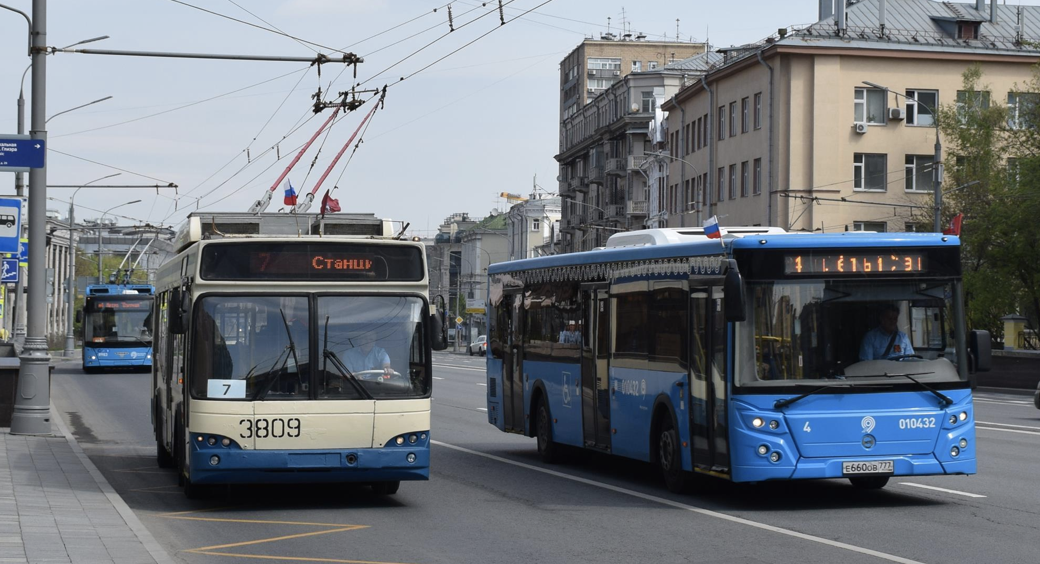
In many middle-income and lower-income cities, the challenge is not only to electrify transport, but to do so in a way that is robust, affordable, and scalable.
Trolleybuses can play an important role in this transition because they combine:
The efficiency of electric rail systems
The flexibility of buses
Lower lifecycle emissions
High passenger capacity
Long-term operational stability
When supported by consistent policy, strong institutions, and long-term planning, trolleybus systems can become the backbone of zero-emission public transport networks.
A technology for long-term urban transformation
The experience of Mexico City shows that the question is not whether cities can afford trolleybuses, but whether they can afford to plan electrification without considering them.
For emerging cities facing rapid growth, rising energy costs, and the urgent need to decarbonise, modern trolleybuses offer a realistic pathway: scalable, efficient, and proven in real operating conditions.
With the right governance, financing, and technical planning, trolleybuses are not a legacy technology — they are a strategic tool for the next generation of sustainable urban transport.
📩 For more information:
gustavo@e-mobilitas.com
